Plantan Plantan

Menu

  • Home
  • Growing guidesOverview

Growing guides

  • What to grow indoors
  • Healthy roots
  • Growing media
  • Plant nutrition
  • Lighting
  • pH (acidity)
  • Oxide equivalents
  • Kratky method
  • Water pumps
Plantan Plantan
  • Home
  • Growing guides
    • What to grow indoors
    • Healthy roots
    • Growing media
    • Plant nutrition
    • Lighting
    • pH (acidity)
    • Oxide equivalents
    • Kratky method
    • Water pumps

Select your language

  • Íslenska
  • English

Plants and growing in Icelandic conditions

Find plants, get advice, and learn how to grow.

Try searching for:

Nutrition Growing media Lighting pH Oxide equivalents
View the plant guide →
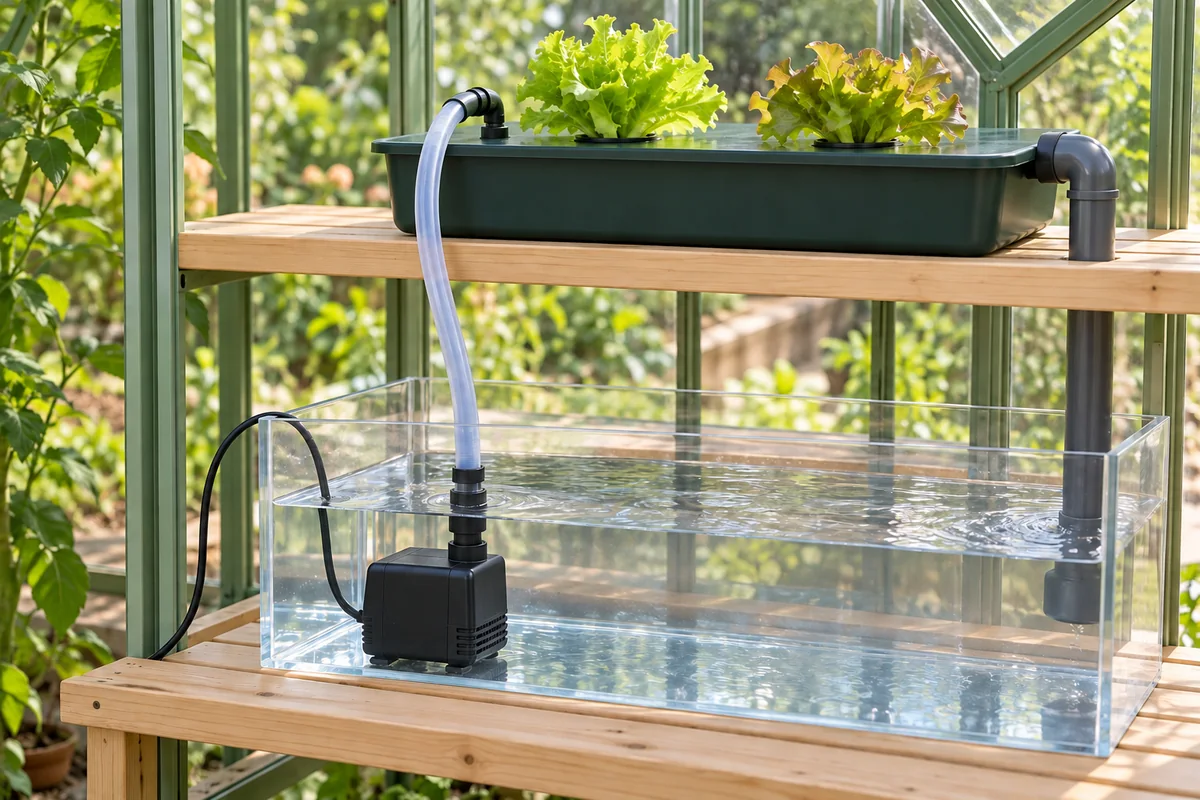
A submersible pump in a transparent demonstration tank sends water to a growing tray; a larger drain returns it to the tank.
Image: RBHMMX · CC BY 4.0.

Water pumps for growing

Water pumps come in many sizes and designs, but the key question is how much water must reach its destination at the required lift height. A large flow figure on the box does not, by itself, tell you whether a pump suits your system....

Open article →
Details
Also available:  Íslenska 
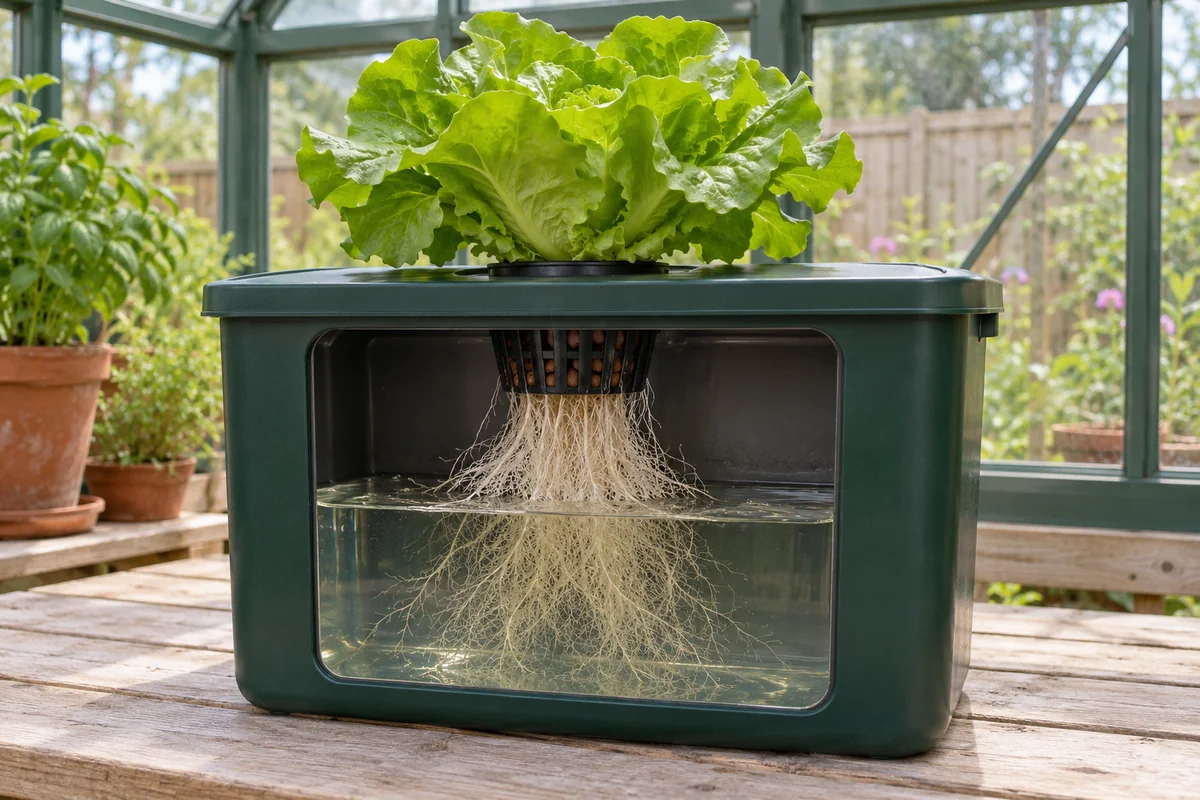
Lettuce in a net pot above a nutrient solution; a cutaway in the Kratky reservoir shows the air gap and roots reaching into the water.
Image: RBHMMX · CC BY 4.0.

The Kratky method: hydroponics without a pump

Some time ago I was deep in research—on YouTube—when I found a video of hydroponics without a pump. My first thought was that it could not possibly work. Surely someone was trying to fool people. But I watched the whole video, then...

Open article →
Details
Also available:  Íslenska 
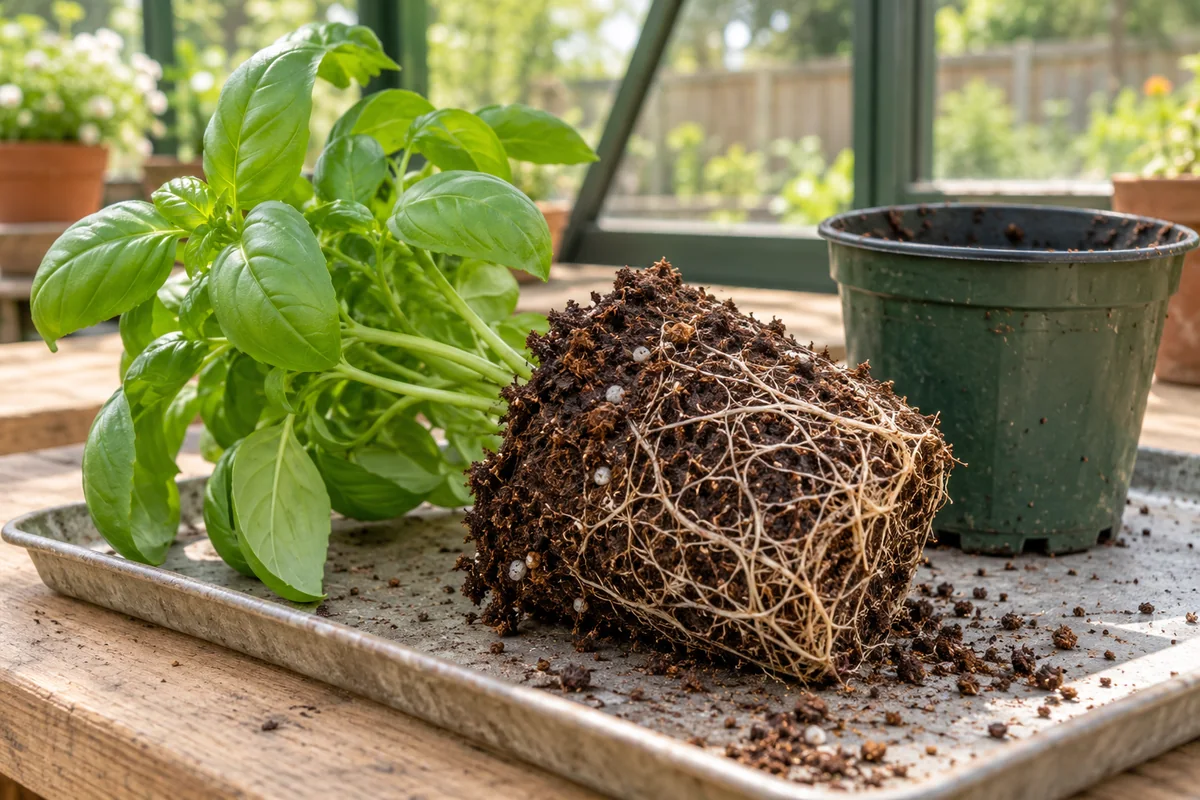
A basil root ball rests on a tray beside an empty pot; pale branching roots are visible in the growing medium.
Image: RBHMMX · CC BY 4.0.

Healthy roots

You cannot always see what is happening inside a pot. Roots support the plant and supply it with water and nutrients, but they themselves need air, moisture and a suitable temperature. When growth stalls, looking only at the leaves is not...

Open article →
Details
Also available:  Íslenska 
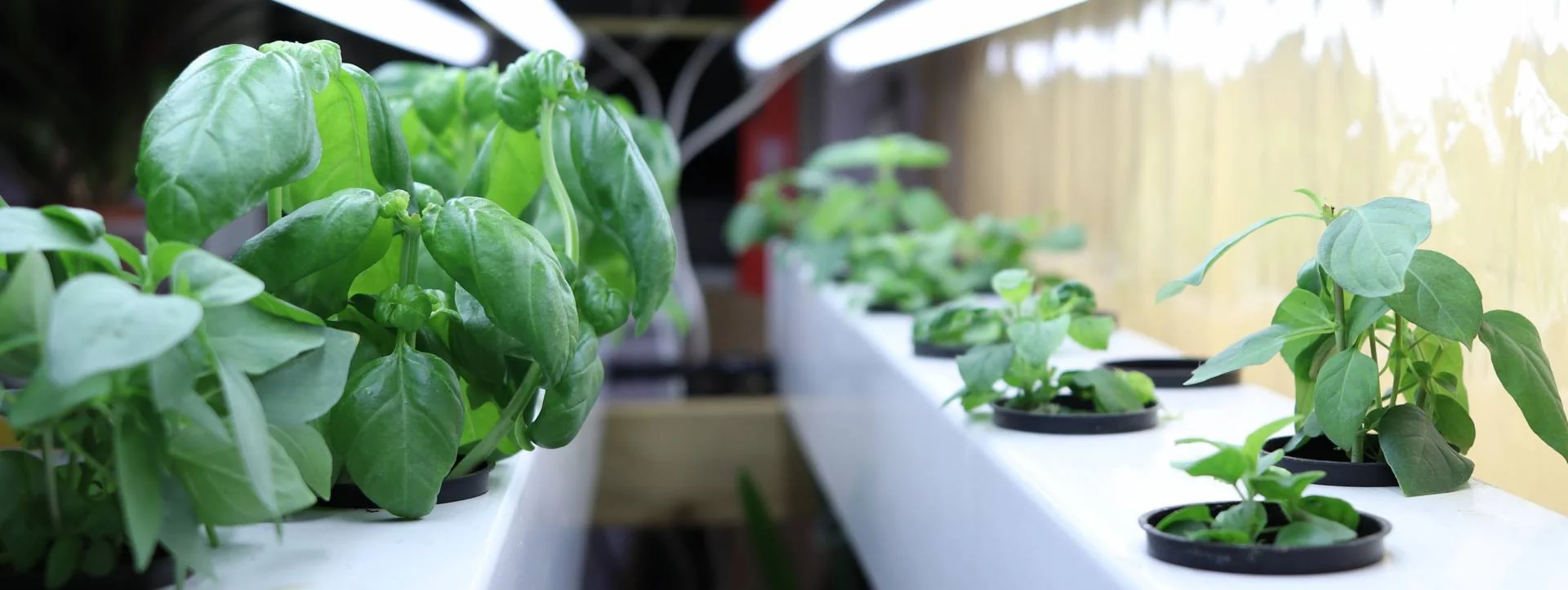
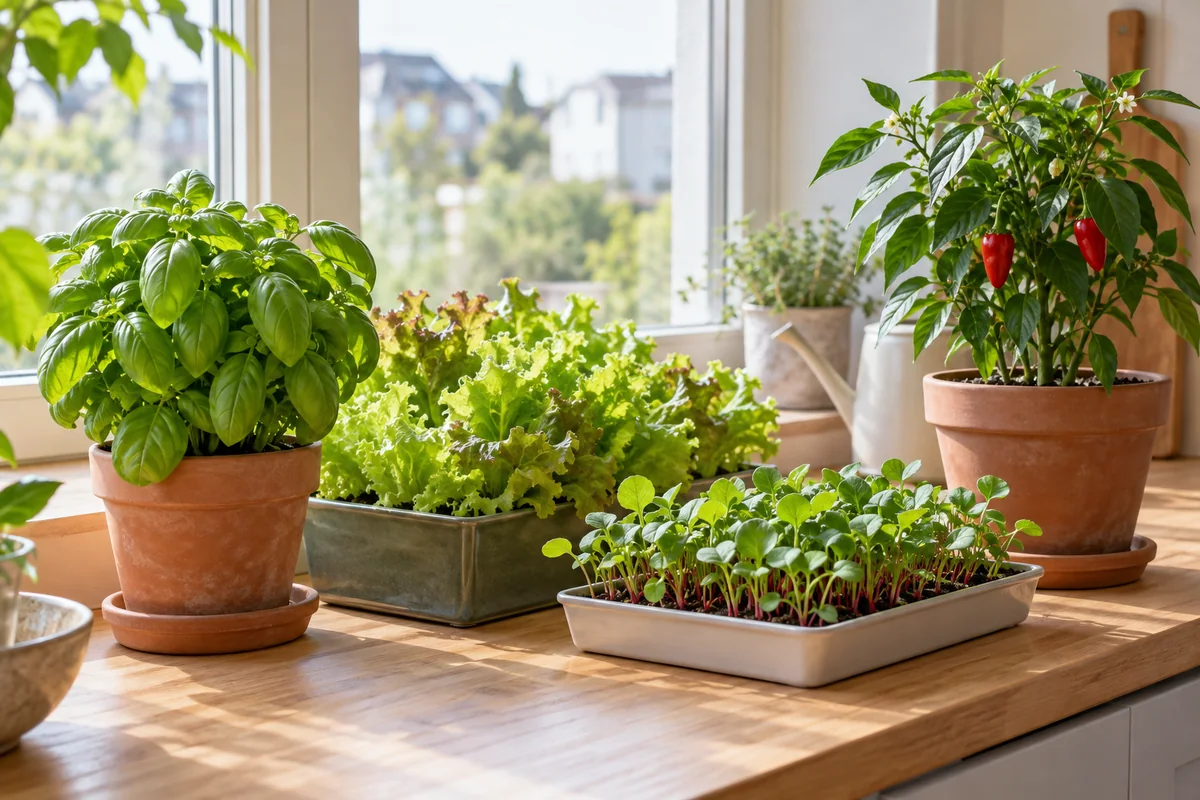
Basil, lettuce, microgreens and a pepper plant on a bright worktop beside a window.
Image: RBHMMX · CC BY 4.0.

What is good to grow indoors?

People often ask me what is good to grow indoors. I usually answer with another question: What would you eat? Growing something that regularly ends up on your plate is much more fun than choosing a plant just because it fits on the...

Open article →
Details
Also available:  Íslenska 
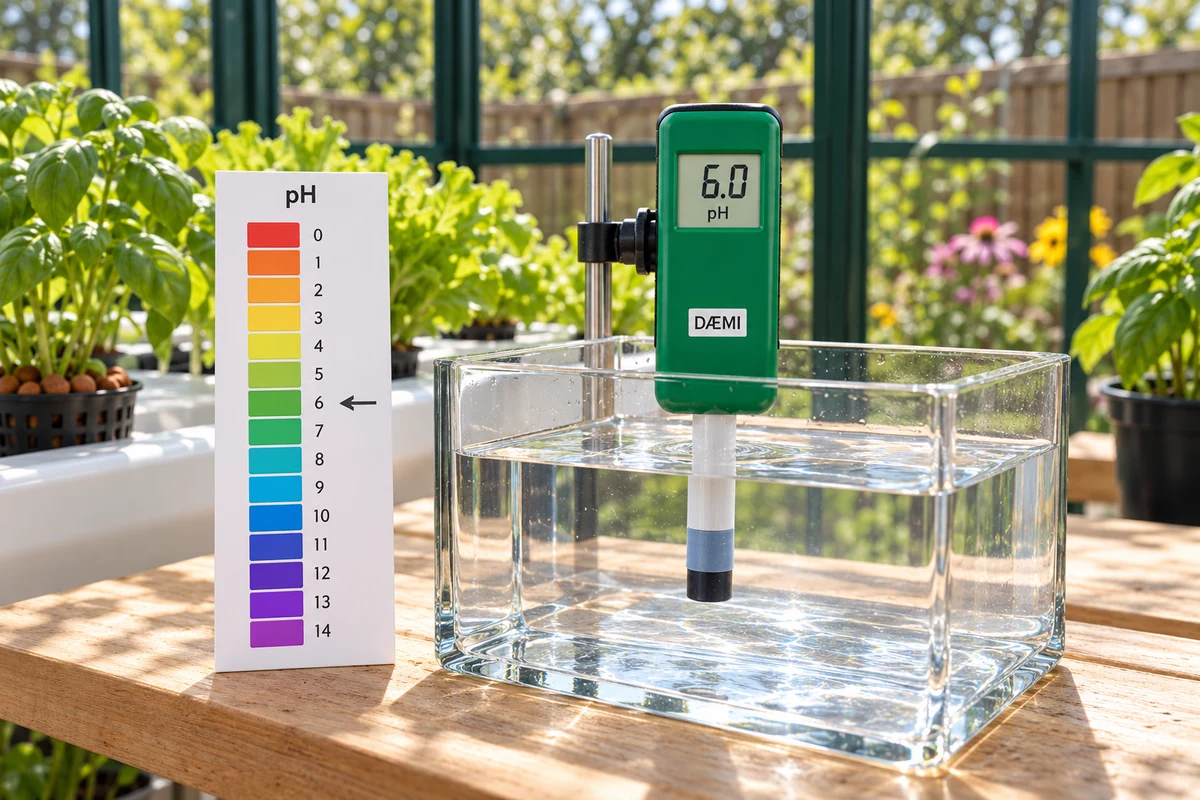
A pH meter with its probe in a clear solution shows pH 6.0, beside a colour scale from 0 to 14.
Image: RBHMMX · CC BY 4.0.

pH (acidity)

There can be plenty of nutrients in the pot or tank, yet the plant may still struggle to access them. Acidity may be one reason. It affects whether the roots can take up nutrients, even when those nutrients are present. That is why adding...

Open article →
Details
Also available:  Íslenska 
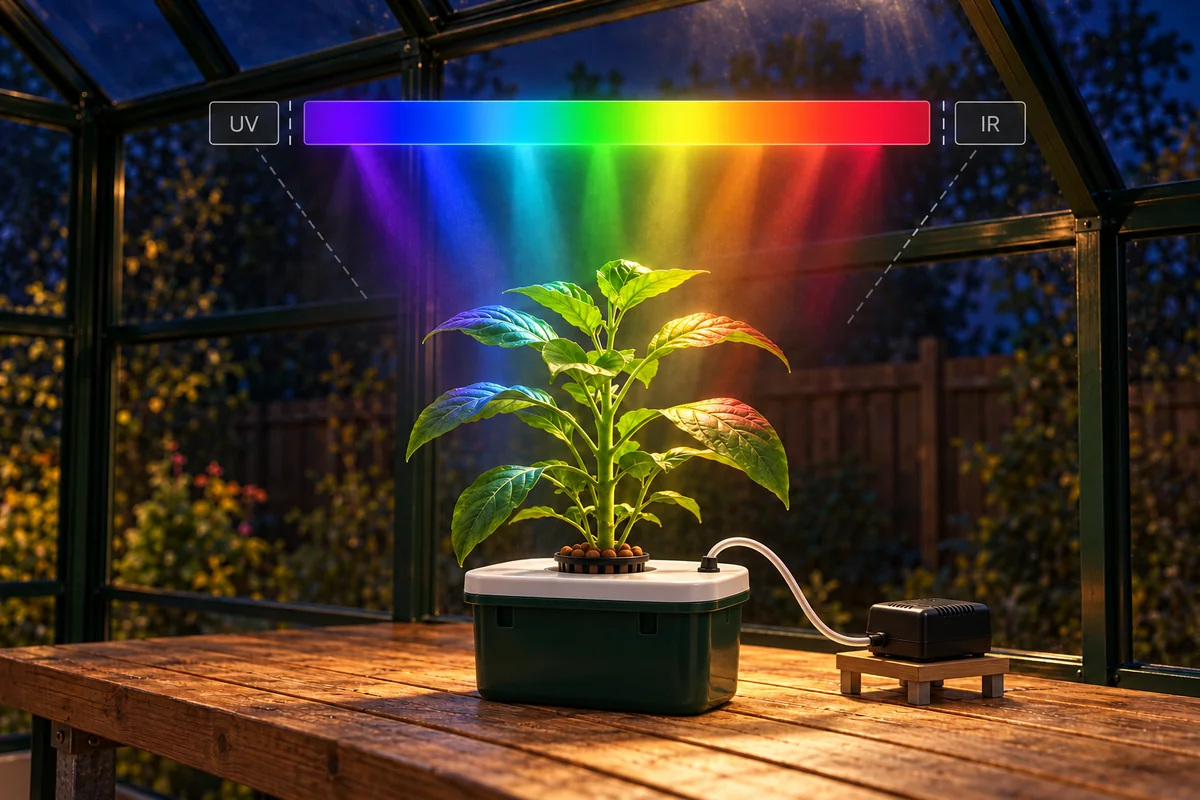
A hydroponic plant under coloured light in the evening; UV and IR are marked outside the visible spectrum.
Image: RBHMMX · CC BY 4.0.

Lighting

You don’t need to buy a special grow light to get started. An ordinary white LED bulb or fluorescent tube can work well, as long as enough light reaches the plant. That matters more than what the box says. Plants use light to make sugars...

Open article →
Details
Also available:  Íslenska 
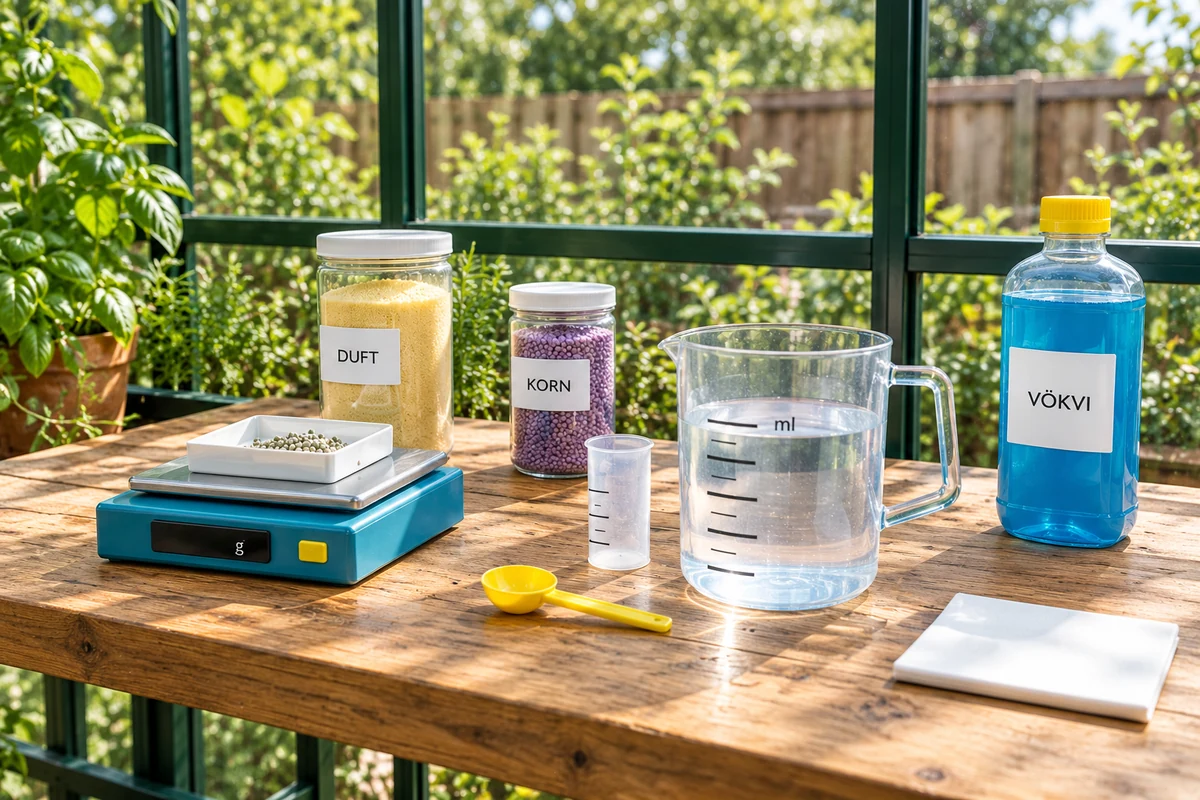
Scales, measuring cylinders and fertiliser in powder, granule and liquid forms on a sunlit greenhouse workbench.
Image: RBHMMX · CC BY 4.0.

Plant nutrition

Plants need the right nutrients in the right balance to develop roots, leaves, flowers, seeds and a crop. Fertiliser can make up for what is missing, but more is not always better. Too much of one element can damage roots or make it...

Open article →

Details
Also available:  Íslenska 
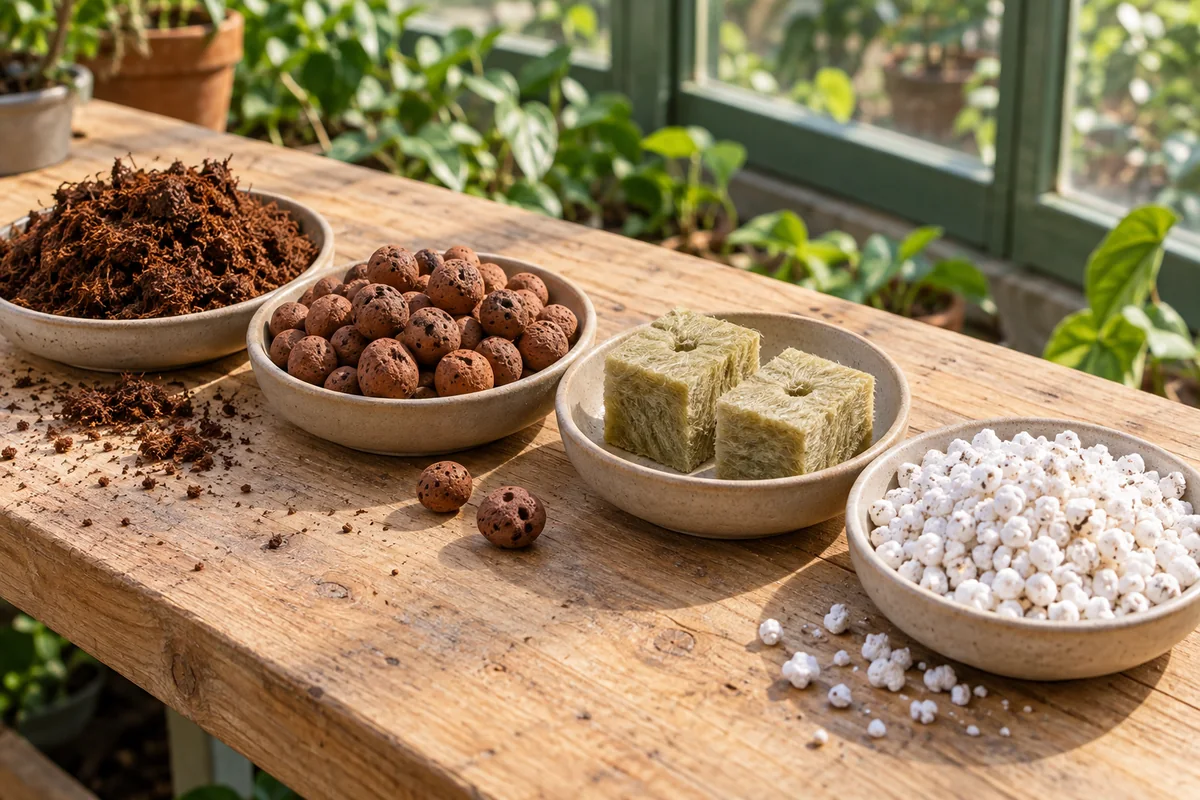
Four bowls of coir, clay pebbles, stone-wool cubes and white perlite on a workbench.
Image: RBHMMX · CC BY 4.0.

Growing media: what should surround the roots?

It is hard to call stone wool soil. I therefore prefer the term growing medium for the different materials in which plant roots grow. Soil, coir, clay pebbles and pumice can all do the job, although their properties vary considerably. The...

Open article →
Details
Also available:  Íslenska 
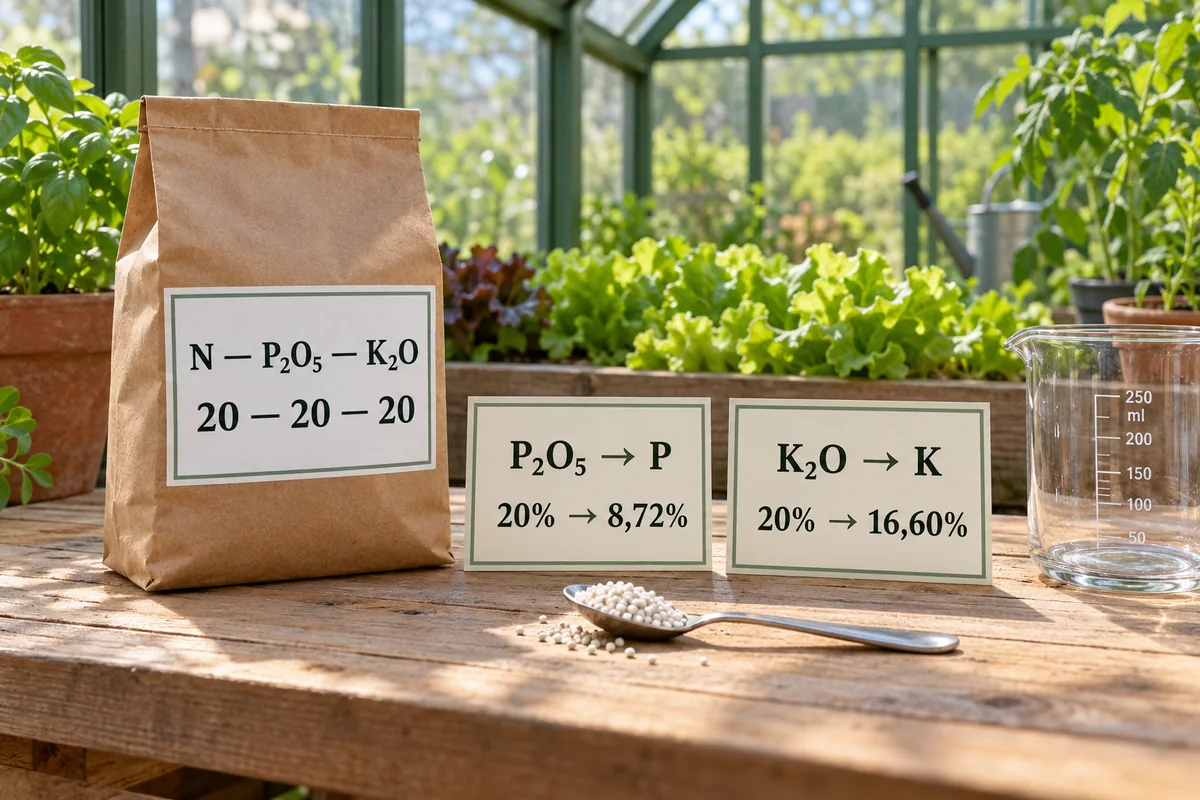
A fertiliser bag labelled 20–20–20 and cards showing 20% P₂O₅ converted to 8.72% P and 20% K₂O converted to 16.60% K.
Image: RBHMMX · CC BY 4.0.

Oxide equivalents or elements?

You may come across two different figures for phosphorus on the same fertiliser bag. One might say 20% and the other 8.72%. It may look as though something does not add up, but both can be right. The same amount is simply being expressed...

Open article →
Details
Also available:  Íslenska 
Plantan Plantan