 Íslenska
  English
 Search
ph is required
pH (acidity)
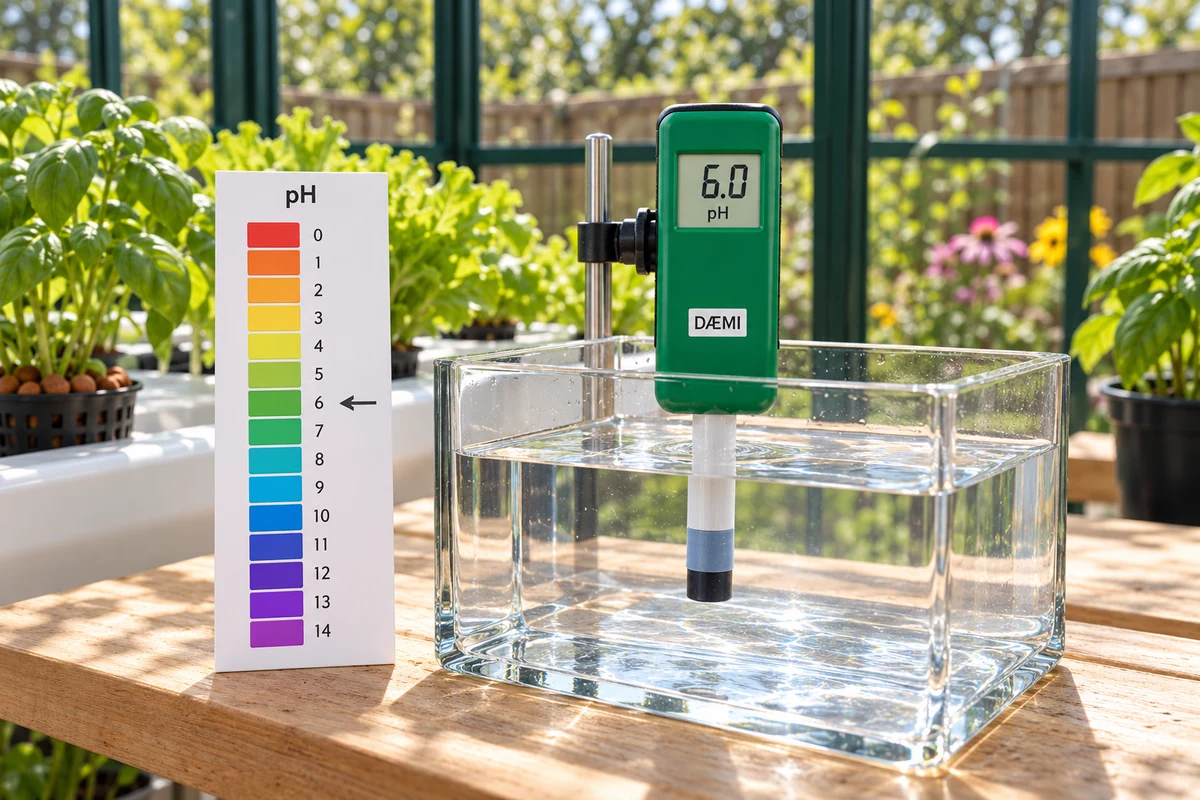
the answer. We also need to look at acidity, the roots and the conditions the plant is growing in. Here we explain what the pH number tells us, how to measure it and when there may be a reason to change it. Contents In brief What does the pH value mean?...
14 October 2026
Plant nutrition
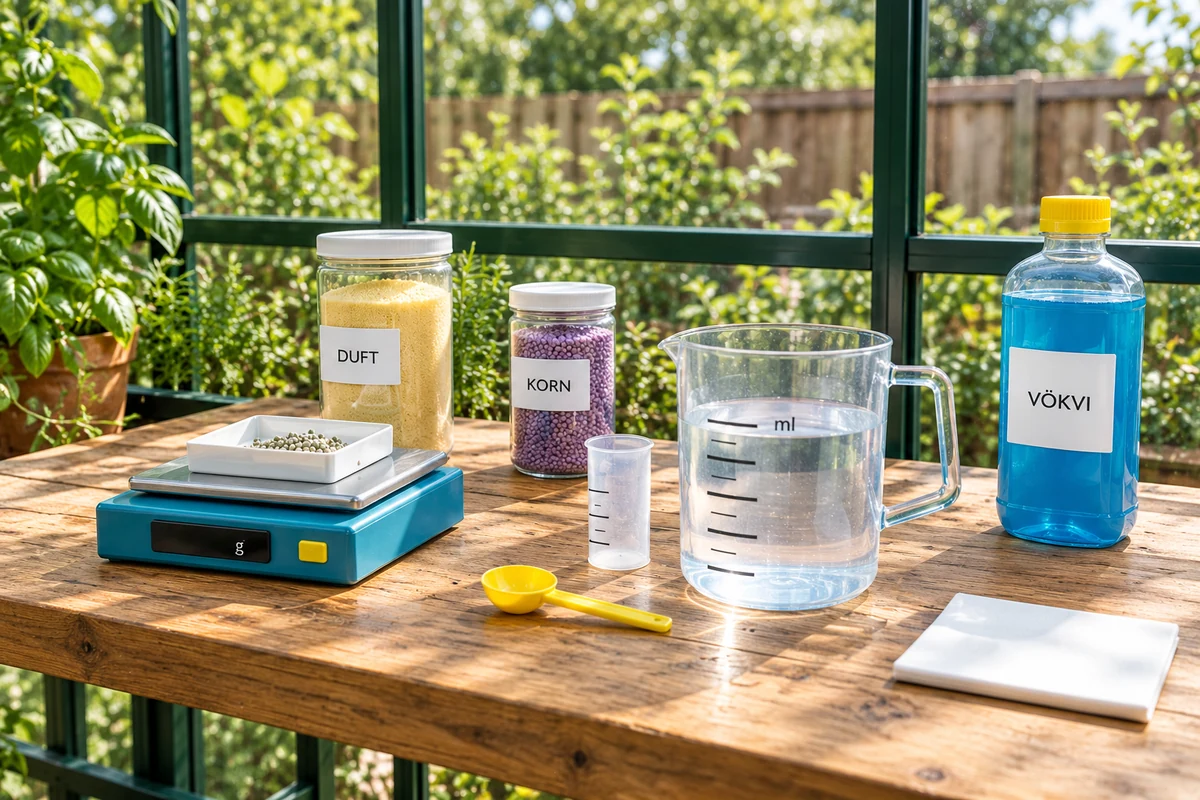
article gives an overview of plant nutrition. The article on macronutrients looks in more detail at the roles of nitrogen, phosphorus, potassium, calcium, magnesium and sulphur. Contents At a glance Essential plant nutrients Beneficial elements are not...
14 October 2026
Growing media: what should surround the roots?
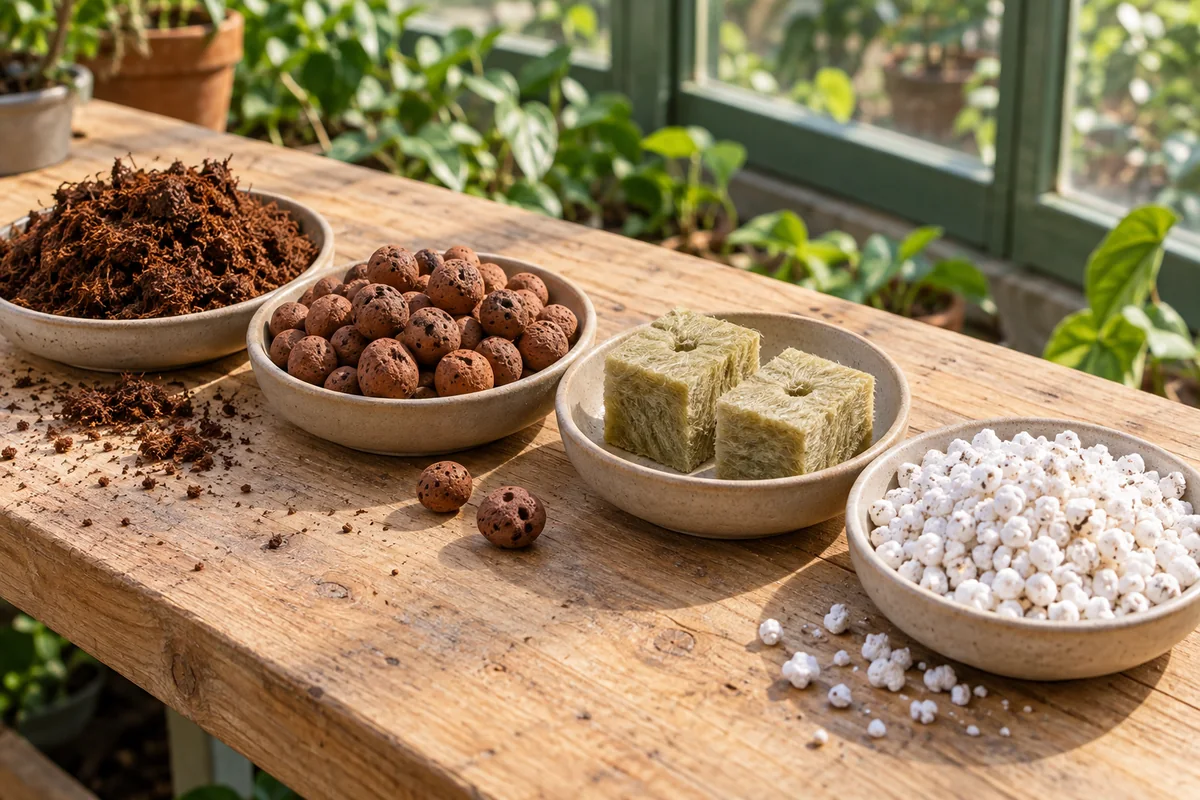
and air both need room Active or inert? Soil and soil life Potting compost Sand, clay and Icelandic soil Peat materials and sphagnum Compost Stone wool Clay pebbles Coir Bark Pumice and perlite Vermiculite Gravel Choose the medium and watering together...
14 October 2026
The Kratky method: hydroponics without a pump
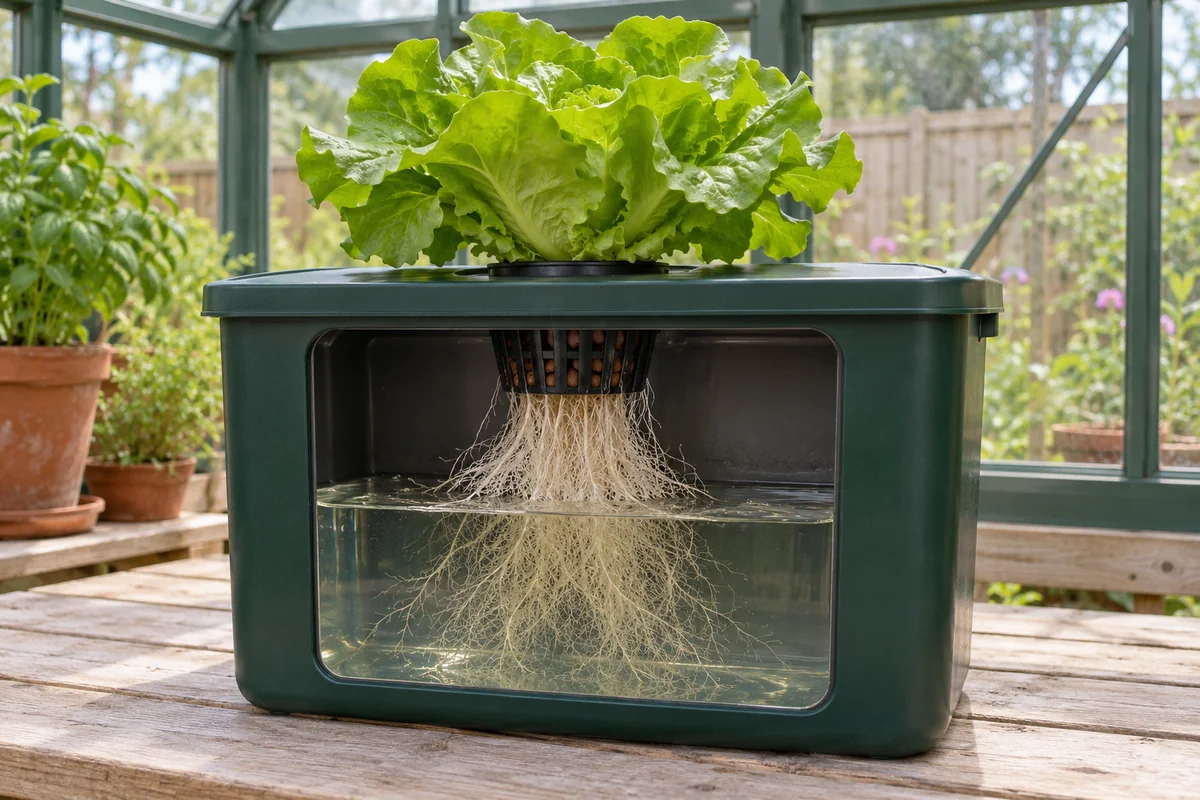
debris out of the solution, and check the water level and the plant regularly. For longer crops, it is useful to monitor pH and electrical conductivity instead of assuming that the solution remains unchanged. For indoor growing in Iceland, you also need...
15 October 2026
Plantan in English
readers. Oxide equivalents or elements? Growing media: what should surround the roots? Plant nutrition Lighting pH (acidity) What is good to grow indoors? Healthy roots The Kratky method: hydroponics without a pump Water pumps for growing Íslenska ·...
14 October 2026
Healthy roots
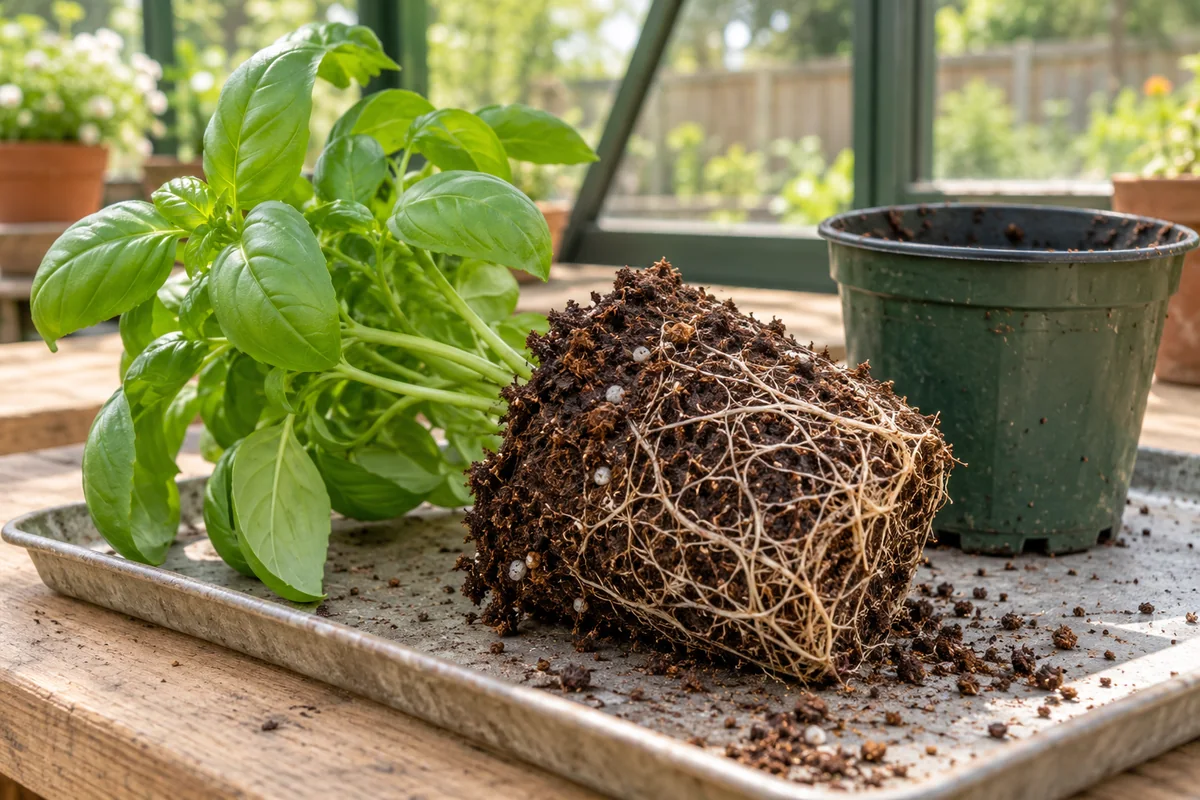
sand and clay pebbles are not interchangeable. Fine sand can compact a mix instead of aerating it, and shell sand can alter pH. Choose an amendment for its properties and for the plant, rather than merely because it is coarse or mineral. The pot also...
15 October 2026